

Amino-acids, BEAUTY, Nutrition
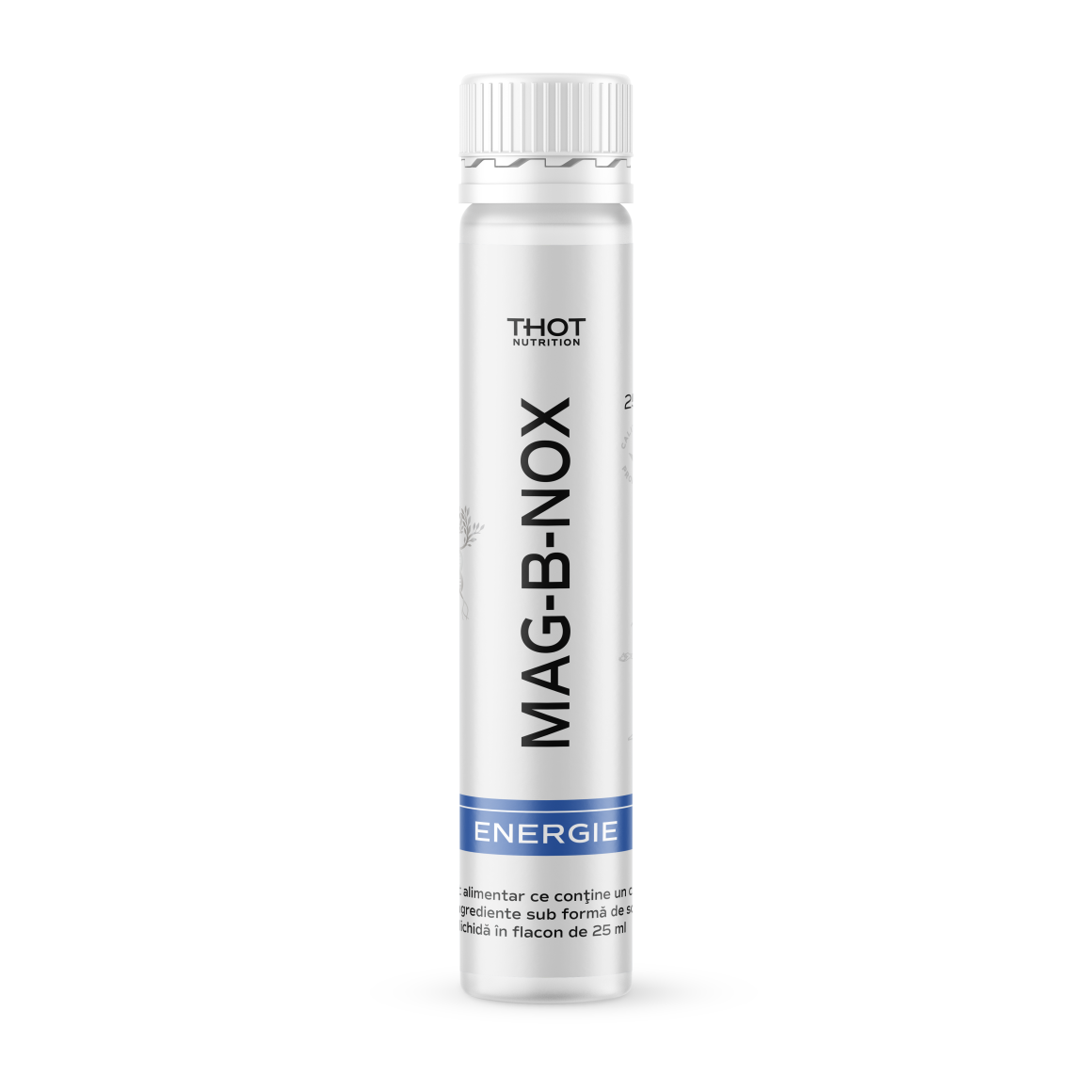
THOT MAG-B-NOX: The best energy makeover booster in 2026
May
The Smartest Way to Boost Nitric Oxide
The Breakthrough – A Master Formula that Boosts Your Nitric Oxide Levels in a 360ᵒ Way
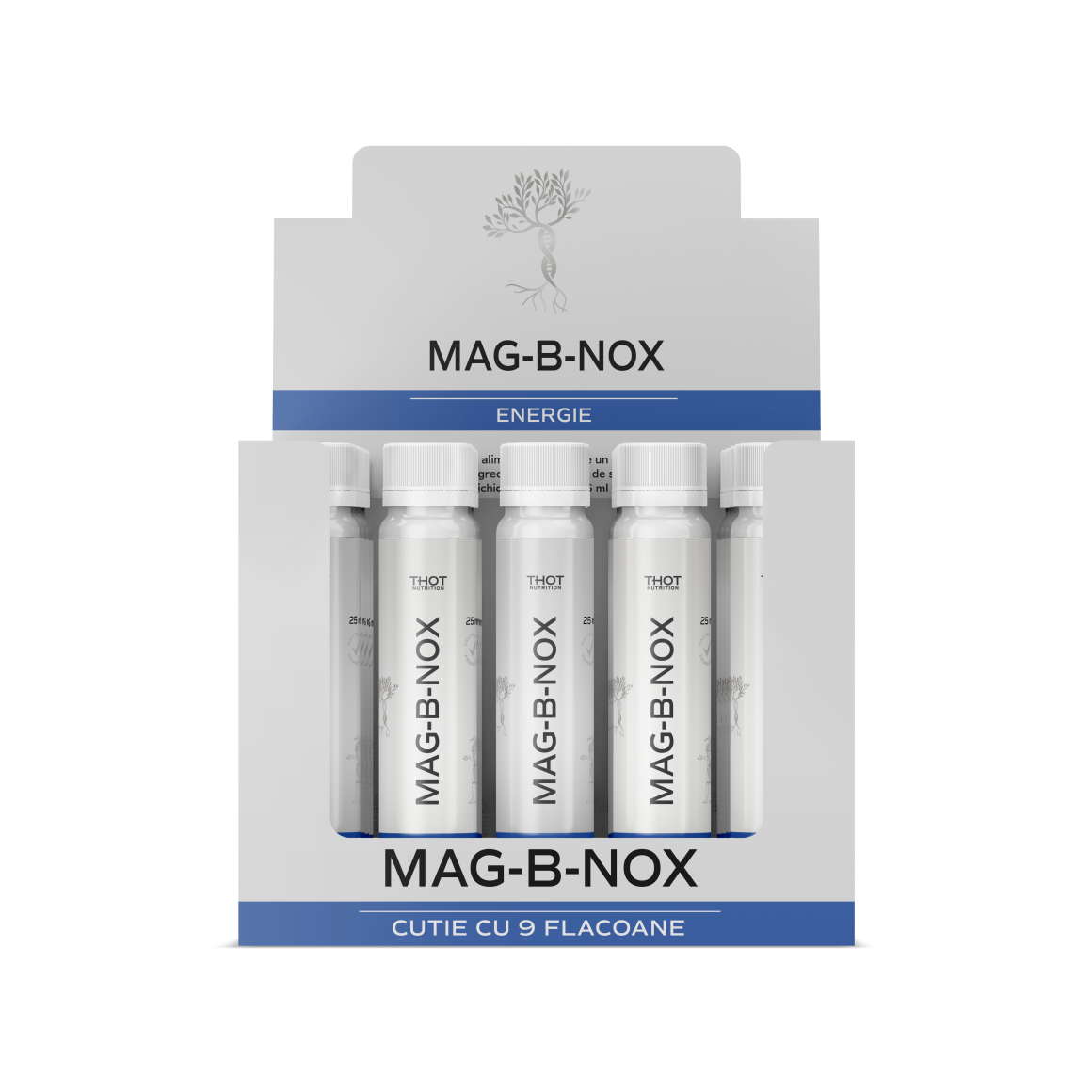


Table of Contents
Dysfunctions associated with NO deficiency. 3
What is in the vial? Yes, it it in liquid form now. 4
Nitric Oxide – What It Is and How It Helps?. 6
Nitric Oxide — How It’s Made and How It Works?. 8
1. The first pathway is Arginine → NO (NOS) enzymatic pathway. 8
2. The second pathway it the Nitrate–nitrite–NO pathway (non-enzymatic) 8
Diseases & Dysfunctions associated with low Nitric Oxide (NO) 10
Nitric Oxide (NO) and LONGEVITY – key points 12
Boosting nitric oxide (NO) Synthesis and Activity. 14
THOT MAG-B-NOX – the most complex supplement formula for boosting NO synthesis 16
1. Amino Acids: The Foundation! 16
● L-Arginine & L-Citrulline. 17
● L-Arginine & BPC157 Peptide (L-Arginine is the precursor for BPC157) 17
2. Magnesium x5 + Electrolytes: The Bioelectric Support 19
The Magnesium Quintet: Five Molecular Keys 19
Electrolyte Intelligence: Potassium, Sodium, and Chloride. 21
3. Antioxidants + Polyphenols: Nitric Oxide (NO) Protection & Vascular health. 21
● Red spinach Extract (Oxystorm®) 22
● Hawthorn Berries Extract (5:1) 23
● Acai fruits extract (10:1) 24
Aronia fruits extract (10:1) 25
Non-Acidic Vitamin C (from Magnesium ascorbate) 25
Moringa Extract (10:1 Concentration) 26
Vitamin B3 (Niacinamide): Fueling NAD⁺, Energy Metabolism, and Vascular Flexibility. 27
Vitamin B6 (Pyridoxine HCl): Amino Acid Metabolism, Homocysteine Control, and Endothelial Health. 27
Vitamin B12 (Methylcobalamin): Methylation, Neurovascular Repair, and Energy Regulation. 28
Thot Nutrition – Copyright – 2021-2026
All Rights Reserved. No part of this publication may be reproduced, stored in a retrieval system, or transmitted in any form or by any means, electronic, mechanical, photocopying, recording, or otherwise, without the prior written permission of the authors. The authors do not claim or warrant any physical, emotional, mental, spiritual, or financial results. All information provided by the authors is for general education purposes. The information in this document is not a substitute for expert medical advice.
WARNING AND DISCLAIMER.
The information provided herein, and the products referenced or provided by this document/website (www.thotnutrition.com), are not intended to diagnose, treat, cure, or prevent any disease or condition. The information provided by this website and by the materials published on this website is not a substitute for a consultation with a doctor and does not constitute medical advice of any kind. We certify that there is a possibility that the information provided by this document/site or certain information in the pages or documents included may be medically erroneous. By using this information, or by reading it, the user assumes and accepts that the entire responsibility belongs to him in full, exonerating from any legal liability the www.thotnutrition.com team, site owners, employees, partners, collaborators and suppliers mentioned or who have participated in the provision of information or services mentioned within this site, including even erroneous information provided through negligence. The use of the information and techniques described in this document/site is entirely at your own risk.
If you do not agree with this disclaimer and disclaimer, please do not read further by deleting any downloaded documents.
The Breakthrough
There are moments in supplement formulation when a supplement is more than a supplement. It is a breakthrough. THOT MAG-B-NOX is one of those moments. It is a game-changer.
THOT MAG-B-NOX is created to activate your body’s natural Nitric Oxide (NO) production in a more complex way that you have experienced so far. This formulation is based on a very deep understanding of how NO is formed and utilized by the body and of what the body actually needs in order to make it happen flawlessly.
This supplement is more than just another NO booster. It is designed for both rapid effect and long-term optimization of the entire body. It doesn’t just focus on NO production; it takes care of the pathways that produce it and it makes sure to keep them healthy. How? Through all the ingredients that it contains. This is a formula like no other.
Dysfunctions associated with NO deficiency
- Erectile dysfunctions
- High blood pressure (NO ensures dilatation of the endothelial layer of the blood vessel – the firs layer; means more blood is circulating and the blood vessels are elastic
- Metabolic diseases and diabetes – NO is required for insulin signaling; If you cannot produce NO, you become insulin resistance and diabetic
- Exercise resistance and stamina. You do not have power to exercise, you become rapidly “out of breath”. Try to walk the stairs and see how you perform. Usually is because you are NO deficient
- Alzheimer’s disease because you have low flow of blood to the brain and become insulin resistance in the brain – Type 3 diabetes. NO is correcting everything we know about Alzheimer. NO inhibits the oxidative stress associated with Alzheimer’s disease, preventing the accumulation of amyloid plaque and the presence of Tau protein (inflammatory marker).
- Inflammation – NO reduce inflammation in the body and in the brain.
- Immune disfunction – NO prevents immune dysfunctions. NO assures that nutrients flow to the cells and take away the garbage. In this way you have no miss-folding proteins
- Oxidative stress related diseases and Immune dysfunctions.
- Miss-folded protein dysfunctions. NO assures that nutrients flow to the cells and take away the garbage. In this way you have no miss-folding proteins
- Nitric oxide (NO) plays a complex role in Alzheimer’s disease, contributing to both neuro-protective and neurotoxic processes
- Nitric oxide (NO) may support neuronal function by enhancing neuronal excitability and promoting synaptic plasticity.
Longevity associated diseases. NO is helping the 3 most important factors for anti-aging and longevity:
- NO(Nitric Oxide) gives stem cells the signal to mobilize; thus, stimulates and mobilize stem cells, especially plumy-potent stem cells
- Telomere extension. NO activate the enzyme telomerase that prevents telomeres shortening. It signals the production of the telomerase enzymes and regulates the proper function of the telomerase enzyme.
- Mitochondrial functions. NO gives the signal to the cell that the body needs more mitochondria and the body needs for the existing mitochondria to function at the best possible function, to produce as much cellular energy as possible with less oxygen.
Chronic Diseases Associated with NO Deficiency
- Non- healing wounds. Scars, necrotic wounds, etc.
- Retinopathy
- Diabetic ulcers and necrosis
- Macular degeneration
- Degenerative pancreatitis
What is in the vial? Yes, it it in liquid form now.
Easier to take, faster action time,
In just one or two daily shots, THOT MAG-B-NOX delivers:
- 6 amino acids (3000 mg total)( L-Arginine (precursor for BPC157 Peptide), L-Citrulline, L-Lysine HCl, L-Leucine, L-Tryptophan, L-Methionine)
- 5 types of Magnesium (900 mg total) (Magnesium bisglycinate, Magnesium malate, Magnesium taurate, Magnesium citrate (magnesium salts of citric acid), Magnesium ascorbate)
- 5 powerful plant-based NO activators (Hawthorn Berries Extract 5:1, Açaí Berries Extract 10:1, Aronia Berries Extract 10:1, Moringa Leaf Extract 10:1, Red Spinach Extract (Oxystorm®)
- Non-acidic Vitamin C (from Magnesium ascorbate)
- Essential electrolytes (Na, K, Cl) (from NaCl and Potassium citrate)
- B vitamins for mitochondrial support (Vitamin B3 – Niacin, Vitamin B6 – Pyridoxine HCL, Vitamin B12 – Methycobalamin)
Now… why choose Thot MAG-B-NOX when choosing a Nitric Oxide (NO) booster supplement?
There are so many reasons! But let us give you the most important ones:
- It is a liquid form supplement!
- This means that you are done with swallowing tons of tablets. Until now, you had to take multiple tablets from multiple products to make sure you had all the ingredients in the right quantities to boost your NO production and to make sure that the mechanisms that produce it stay healthy. Now you have them all in one shot.
- This also means rapid absorption and immediate impact. While with tablets and capsules you need to wait for them to dissolve, a liquid shot provides you the ingredients ready for absorption and utilization.
- It covers ALL the pathways involved in NO production and utilization. This supplement offers:
- the ingredients that stimulate NO production
- the ingredients that are precursors for NO
- the ingredients that optimize NO synthesis
- the ingredients that protect and nurture the pathways involved in NO synthesis
- the ingredients that help the body utilize NO properly
If this introduction got your attention, feel free to try our product right now.
If you’re not that sure yet or if you simply want to know what is Nitric Oxide (NO), how it benefits your health and to understand the science behind our formula continue reading this article.
Nitric Oxide – What It Is and How It Helps?
Nitric Oxide (NO) is a critical signaling molecule that influences nearly every system in the human body, and it is produced naturally by your vascular endothelium (the inner layer of your blood vessels).
In short, NO is critical in:
- Vasodilation (relaxation of blood vessels)
- Oxygen and nutrient delivery to muscles and tissues
- Blood pressure regulation
- Mitochondrial respiration and function
- Regeneration and antiaging
- Tissue healing and regeneration
- Strem cells activation and coordination
- Telomers expression
- Neurotransmission
- Immune defense mechanisms
- Sexual function and libido
- And much more…
Due to its implications in every aspect of human physiology, NO got the attention of medical doctors and scientists and there are a few of them who studied this tiny gas molecule in depth.
For decades, nitric oxide (NO) was considered just a toxic air pollutant. That belief changed completely in the late 20th century. In 1998, the Nobel Prize in Physiology or Medicine was awarded to Robert F. Furchgott, Louis J. Ignarro, and Ferid Murad[1] for their discovery that nitric oxide is a signaling molecule in the cardiovascular system[2].
Their work proved that nitric oxide is produced naturally by the human body, essential for vasodilation (blood vessel relaxation) and critical for blood pressure regulation, blood flow, and cellular communication.
This discovery revolutionized medicine and laid the foundation for modern understanding of cardiovascular health, erectile function, metabolic regulation, immune signaling and more. Nitric oxide went from being seen as a “toxic gas” to being recognized as a fundamental molecule of life.
Decades later, impressed by this discovery and forced by personal circumstances involving health problems that needed a different approach, Dr. Nathan Bryan continued to study this molecule. Today, we are grateful for the work he has done and for the knowledge that he has shared about this miracle gas molecule.
Dr. Nathan Bryan is an American biochemist and nitric oxide (NO) researcher for over 18–20 years. He worked at Baylor College of Medicine, published dozens of scientific articles and edited medical books on the topic of NO[3]. Dr. Nathan S. Bryan is considered one of the world’s leading experts on nitric oxide.
With aging, stress, inflammation, poor diet, and sedentary lifestyles, NO production declines over time. This often happens silently and people notice it only when symptoms appear, symptoms like fatigue, cold hands and feet, headaches, muscle tightness, slower recovery, poor focus, sexual dysfunction etc.
Although NO is known in the sports industry and supplements are used for athletic performance for a while now, a proper level of NO in the body helps ordinary people as well. We are talking about the quality of your life: how fast your brain thinks, how well your blood flows, how deeply you sleep, how alive you feel.
Nitric Oxide — How It’s Made and How It Works?
Nitric oxide (NO) is a microscopic gas, yet it controls the fundamental aspect of your biology.
There are two major pathways NO is produced:
1. The first pathway is Arginine → NO (NOS) enzymatic pathway
- NO is created in the body, from L‑arginine in the inner layer of your blood vessels – the endothelium. The body needs the eNOS enzyme to create NO. NO signals your vessels to relax and open. Studies dating back decades confirm that human endothelial cells synthesize NO directly from L‑arginine—and that providing more arginine boosts NO availability and improves vascular function[4].
- This pathway depends on: L-arginine, L-citrulline, cofactors (BH4, vitamins), functional NOS enzyme. If the environment of your cells had the right support, with nutrients like magnesium, vitamin C, and B‑vitamins, NO would flow flawlessly. But modern stress, inflammation, poor nutrition, and aging suppress slows down the production of NO and disrupt its function.
- The main problem that may occur in this pathway is the “uncoupling” of the enzyme NOS. As a result, instead of NO it produces free radicals (superoxide). That is why classic arginine supplements may not work and this is the reason we packed the formula with powerful anti-oxidants.
2. The second pathway it the Nitrate–nitrite–NO pathway (non-enzymatic)
- Thankfully, there’s a secondary route that helps the NO pathway: nitrate→nitrite→NO. Dietary nitrates from some plants and leafy greens convert to nitrite via oral bacteria and then into NO in the bloodstream.
- So, if one pathway doesn’t work, we have the other. This last one is clinically validated and especially effective when endogenous synthesis (the first described pathway) is compromised[5]..
- This pathway depends heavily on oral microbiome (beneficial bacteria on tongue, gums) and gastric pH (sufficient acidity)
- The main problem that may occur is usually due to antibacterial mouthwash! It destroys NO-producing bacteria, which usually increases blood pressure as a result. So, there you have it – one information that you may not have known until now: toothpaste + fluoridated water can alter oral microbiota and enzymes.
MAG-B-NOX supports both pathways.
Once produced in the endothelial cells, NO activates guanylate cyclase, raising cGMP. This helps to relax the vascular smooth muscle, lower the blood pressure, improve the microcirculation and prevent platelet aggregation. That was proven by Nobel prize–winning work identifying NO as the “endothelium-derived relaxing factor”[6].
NO is ultra-reactive and very diffusible so it gets very quickly into the nearby cells. NO is a signaling molecule that affects nearly every organ system.
These are the main benefits for your body, and this is how they take place.
- In your cardiovascular system, NO keeps vessels pliable, reduces stiffness, supports angiogenesis (new capillaries), and guards against clots and hypertension
- In your muscles, NO improves mitochondrial respiration and oxygen delivery during movement, reducing oxygen cost of exercise and boosting endurance. Numerous clinical trials—especially using beetroot juice—report higher reps and power output at lower oxygen cost[7].
- In your brain, NO functions as a neurotransmitter. It supports memory consolidation, neuroplasticity, learning, and mood regulation[8] [9].
- NO also plays an essential role in your immune system. It helps macrophages and T‑cells identify pathogens and modulates inflammatory signaling —allowing healing without excessive immune overreaction.
- On a cellular level NO has direct effects on stem cells activation and functions, telomeres expressions and mitochondria functions – the primary mechanisms of antiaging and longevity.
- On a metabolic level, NO enhances insulin sensitivity, supports glucose uptake into muscle cells, and reduces inflammatory markers. Clinical reviews highlight nitrate supplementation as a strategy to improve metabolic health and decrease cardiometabolic risk[10] [11].
- And it even touches sexual health – because NO delivers the blood flow that triggers arousal, lubrication, and orgasm. Without it, desire may exist, but the body stays unresponsive.
When NO is low, every system slows down.
You feel fatigue, brain fog, poor recovery, low libido, cold extremities, poor circulation, and slow healing. Often dismissed as “aging,” the root cause is frequently NO deficiency.
Restoring NO transforms everything.
Vessels relax, mitochondria regenerate, circulation wakes, cognitive clarity returns, sleep deepens, immunity regulates, and your system begins to recover on its own.
This is why we created THOT MAG‑B-NOX.
It activates both NO pathways – providing L‑arginine, L‑citrulline and nutrients that support both the eNOS pathway and the nitrate‑nitrite‑NO pathway. It also has antioxidant protection to preserve NO and regeneration boosters to support longevity. The result? THOT MAG-B-NOX doesn’t simply increase NO. It creates an entire ecosystem for sustained NO synthesis, retention and function.
![Rounded Rectangle: Buy THOT MAG-B-NOX]()
Diseases & Dysfunctions associated with low Nitric Oxide (NO)
Without NO you have no vasodilation, so no increased blood flow – this is the basis of erection, normal blood pressure, brain irrigation and physical performance.
The most important diseases and dysfunctions associated with NO deficiency:
- Erectile dysfunction – this is the first sign of NO deficiency and accelerated cardiovascular disease[12] – this is a very underrated and underdiagnosed condition, and this is because its intimate nature. Who would like to admit that they have erectile dysfunction? But behind closed doors, people know they have a problem. This is the reality and it affects both men and women. No NO means no vasodilation which means no arousal.
- High blood pressure – because there is no more NO-mediated vasodilation, the same volume of blood is forced to passes through narrower arteries. This is the mechanism that causes bold pressure to increase[13]. It is just physics.
- Metabolic diseases and diabetes – NO production is necessary for insulin signaling; without NO, the cell develops insulin resistance and diabetes occurs[14].
- Antiaging and regeneration – NO has direct effects on stem cells, telomeres and mitochondria – the primary mechanisms of antiaging and longevity.
- Exercise intolerance – if you can’t climb a flight of stairs or can’t sustain 15–30 min of moderate exercise or you don’t have power to exercise and you become rapidly “out of breath”, you are most likely deficient in NO[15].
- Alzheimer’s disease – this is vascular disease (low blood flow) combined with an insulin resistance in the brain. It is also called “type 3 diabetes[16]. NO is correcting everything we know about Alzheimer. NO inhibits the oxidative stress associated with Alzheimer’s disease, preventing the accumulation of amyloid plaque and the presence of Tau protein (inflammatory marker).
- Oxidative stress & immune dysfunction – without NO you no longer have good nutrient transport, and waste is no longer cleaned up. This leads to misfolded proteins and chronic inflammation[17]. NO assures that nutrients flow to the cells and it helps blood to take away the garbage. In this way, you have no miss-folding proteins.
- Chronic wounds, ulcers, necrosis[18] – diabetic ulcers and necrosis, macular degeneration, retinopathy, degenerative pancreatitis, non-healing wounds, escares and more – they are correlated with microcirculation and endothelial dysfunction; mechanistically it ties in perfectly with NO deficiency.
![Rounded Rectangle: Buy THOT MAG-B-NOX]()
Nitric Oxide (NO) and LONGEVITY – key points
According to science, endothelial nitric oxide (NO) production and bioavailability are highest in young, healthy individuals and decline progressively with aging[19]. It is believed that up to ~20 years NO production is optimal.
NO-dependent endothelial vasodilation declines significantly by early to mid-adulthood, resulting in reduced NO production and increased oxidative stress[20], so that approximately by age 40, the body generally loses 40-60% of the ability to produce NO.
After midlife (~40), nitric oxide bioavailability declines progressively with each decade, largely due to oxidative stress, eNOS uncoupling, and impaired endothelial signaling[21]. It is believed that the rate of decline is 10–12% per decade.
Advanced aging (~70-80 years) is associated with a profound reduction in nitric oxide–mediated vasodilation, with 70–75% less compared with young adults[22].
Poor lifestyle factors accelerate endothelial dysfunction and nitric oxide deficiency, leading to early onset hypertension, insulin resistance, erectile dysfunction and vascular disease — even in adolescents and young adults[23].
Now that we have seen how NO declines with age, it is obvious that, to benefit longer from its effects, you must do certain things to stimulate the body to produce more NO for a longer period. Just like when it was when you were younger.
If you manage to stop the decline and produce more NO, it is going to help you not only to prolong your life, but also to significantly increase your life quality.
How does NO do this? Well, NO has direct effects on stem cells, telomeres and mitochondria – the primary mechanisms of antiaging and longevity.
- Nitric oxide is a key signaling molecule involved in the mobilization, recruitment, and function of stem cells[24]. It mobilizes them into the tissues where they are needed – eNOS-derived NO is required for stem cell mobilization from bone marrow and this proves that NO bioavailability is directly linked to regenerative capacity. Without sufficient NO, regeneration is slow, wounds and injuries are difficult to heal[25].
- NO can activate telomerase, the enzyme that is responsible for maintaining telomere length[26]. Sustained NO production contributes to telomere protection and is associated with longevity[27].
- Nitric oxide regulates mitochondrial respiration and oxygen utilization, directly modulating mitochondrial oxygen consumption[28]. At physiological levels, NO improves mitochondrial efficiency – it enhances mitochondrial coupling efficiency, reduces electron leakage, and optimizes ATP production. So we have more ATP with less O2[29]. NO deficiency, on the other hand, leads to mitochondrial dysfunction and high oxidative stress, leading to cellular disfunction and metabolic decline. This feature is associated with “sherpa gene”; a genetic unique characteristic that allow some native population to function and thrive at high altitude where oxygen has lower concentration.
Knowing that these 3 mechanisms that are the core pillars in regeneration and longevity need proper amounts of Nitric Oxide to function properly, it is only natural to do our best to enhance and optimize NO levels in our bodies for as long as possible.
THOT MAG-B-NOX does exactly that and it does it in precise manner, covering all the pathways involved in NO synthesis and utilization.
![Rounded Rectangle: Buy THOT MAG-B-NOX]()
Boosting nitric oxide (NO) Synthesis and Activity
However, the first step in boosting NO synthesis is getting rid of the products, conditions and habits that limit NO synthesis.
And this is where oral hygiene comes in. A large part of nitric oxide production depends on beneficial bacteria living in the mouth. These bacteria convert dietary nitrates (from vegetables or supplements) into nitrites, which are later transformed into nitric oxide in the body[30].
If these bacteria are damaged or destroyed, NO production drops significantly, no matter how healthy your diet is.
So, everything that imbalances the microbiome in the oral cavity needs to be removed a soon as possible: sugar or sugary products, mouthwash, toothpaste or fluoride containing products, tongue scraping. Using antibacterial mouthwash may feel “clean,” but it kills the very bacteria needed to make nitric oxide. Regular mouthwash use has been shown to reduce NO availability and increase blood pressure[31].
Also, it is important to choose nose breathing over mouth breathing – this protects the microbiome in the mouth. Breathing through the mouth dries the oral environment and creates conditions that damage beneficial bacteria. Nose breathing helps maintain a healthier oral microbiome and supports nitric oxide availability[32]. PS: Nasal breathing itself increases NO levels because nitric oxide is produced in the nasal sinuses and inhaled into the lungs.
Dental infections, gum disease, and untreated cavities also increase inflammation and reduce nitric oxide signaling, further disrupting circulation and healing[33]. and to fix teeth problems and cavities/infections.
So, even if we have the most powerful tools that we can use to enhance our NO synthesis, let’s not ignore the basics and let’s limit losses. It is not only equally important, it is essential. Always make sure you have the basics in check before, during and after using more advanced instruments.
Even the most advanced nitric oxide boosters cannot compensate for daily habits that block NO production. Protecting the oral microbiome, choosing gentle oral hygiene, breathing through the nose, and fixing dental problems are not optional details — they are the foundation.
Now… once the foundation is covered… Let’s move to “the real deal”.
Let’s see how THOT MAG-B-NOX helps improving NO synthesis through each one if it’s ingredients.
THOT MAG-B-NOX – the most complex supplement formula for boosting NO synthesis
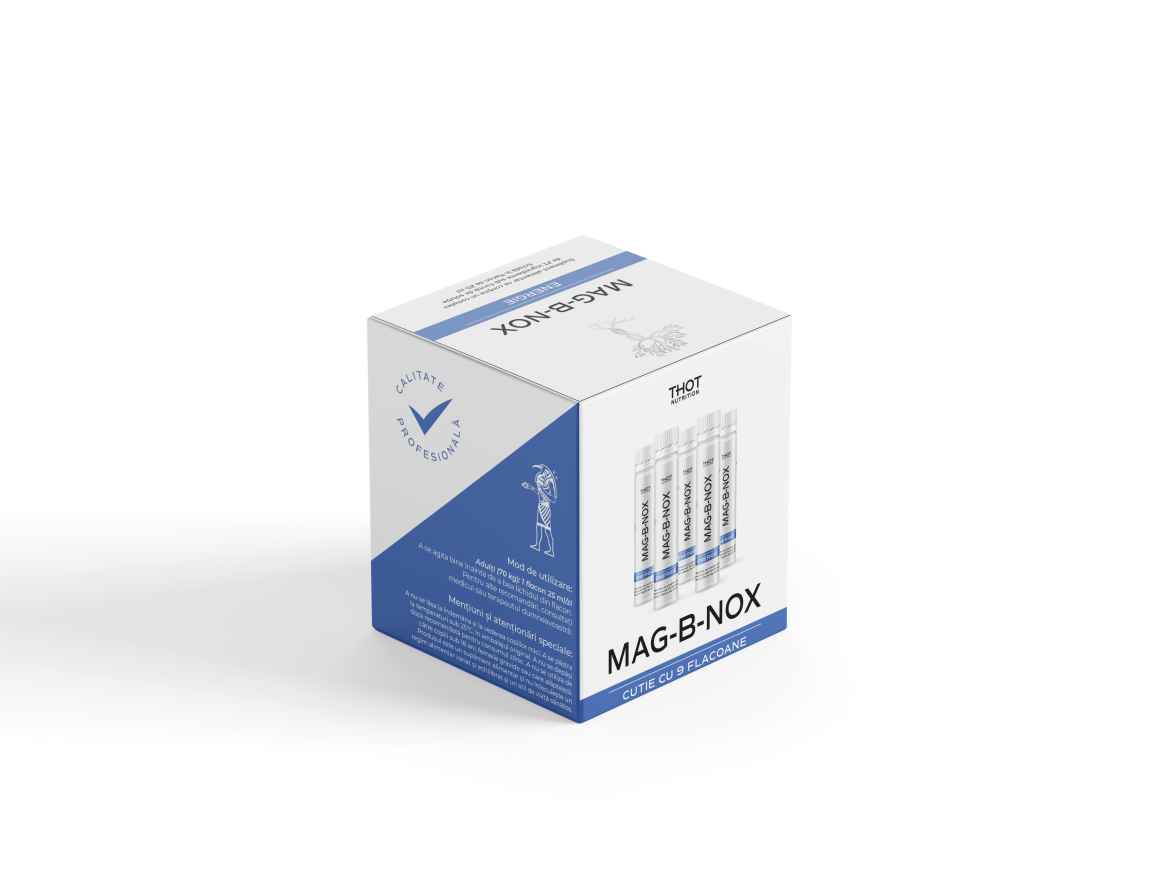
THOT MAG-B-NOX is a very smart supplement that reunites no less than 23 ingredients, all of them very carefully selected to cover all of the mechanisms involved in NO synthesis, preservation and usage.
Now that you know what NO is, what it does and how it works, let’s see how each special ingredient is involved in this.
1. Amino Acids: The Foundation!
Nitric oxide cannot be produced without the right raw materials. And this is the part where almost every genius discovery and advanced technology fails. You can stimulate your body to produce certain things all you want, but, if you fail to provide the raw materials besides the instructions, the body will be forced to take them from other organs and systems and, sooner or later, it will collapse.
So yes, you are the boss, you are the one in charge, you are the one giving the command. But you can lead your body with respect and care, or you can be a tyrant – your choice. Both ways work. But only one of them is sustainable.
This is where Thot Nutrition makes the difference. This is where Thot Nutrition brings a point of difference to the table. This is where Thot Nutrition stands out.
Our supplements understand the big picture. We see the gaps and we fill them. We detect the blind spots and we cover them. Because it is not only about speed and efficiency, but also about long-lasting results and integrity.
The long-term gain doesn’t happen when you sacrifice one organ or system to improve another. The long-term gain happens when you nurture every aspect of your body and move as a whole.
And so, we developed a product that delivers not only the raw materials to generate more Nitric Oxide, but also the raw materials for the body to handle the effects of NO in the body. For example: Yes, NO, once synthesized, stimulates vasodilation, wound healing, stem cell activation and DNA repair… but do you have enough raw materials to support these processes?
This is where amino acids come in. Some are needed for the basic’s functions of the body, some are needed for NO synthesis, and some are needed for carrying the effects of NO.
And now, we will show you how each one in this formula works:
● L-Arginine & L-Citrulline
These two amino acids work hand in hand as primary substrates for nitric oxide synthesis. L-Arginine is the primary substrate for nitric oxide (NO) production by endothelial nitric oxide synthase (eNOS)[34]. However, oral L-Arginine alone is extensively metabolized during first-pass (intestinal and hepatic arginase activity) before it reaches systemic circulation, limiting its effectiveness as a substrate for NO synthesis[35].
That’s why THOT MAG-B-NOX also includes L-Citrulline, which is more bioavailable and converts into L-Arginine inside the kidneys, where it avoids first-pass metabolism[36]. Together, they ensure a sustained production[37].
● L-Arginine & BPC157 Peptide (L-Arginine is the precursor for BPC157)
Also, Arginine is boosting the pathway for BPC 157 Peptide that works synergic. This miracle small peptide is involved in so many processes:
Collagen Synthesis
BPC-157 increases collagen production and fibroblast activity. This directly affects how strong and well-structured repaired tissue becomes, not just how fast it heals.
Nitric Oxide Modulation
BPC-157 influences nitric oxide, which controls blood vessel dilation and vascular function. Better circulation control means more efficient delivery of repair signals to the injury site.
ERK1/2 Pathway Activation – pathway as a primary mechanism for driving cell growth, regeneration, and angiogenesis in musculoskeletal tissues
BPC-157 activates specific pathways that literally drive cell growth and regeneration. This increases the rate at which damaged cells are replaced with new functional tissue.
Inflammatory Suppression
BPC-157 reduces excessive inflammatory signaling after injury. Less prolonged inflammation means less secondary tissue damage and faster progression into actual repair.
Growth Hormone Receptor Upregulation
BPC-157 increases the sensitivity of tissue to growth-related signals. This may amplify the body’s own repair processes rather than acting as a direct growth driver.
Microvascular Integrity & Blood Flow
BPC-157 improves small blood vessel stability and restores flow in damaged areas. This helps prevent tissue breakdown caused by poor circulation during recovery.
Dopaminergic & Pain Modulation Effects
BPC-157 influences dopamine-linked pathways and reduces early-stage pain signals. This appears to blunt acute pain response, but not long-term or chronic pain.
BPC-157 appears to act as a multi-pathway regulator of the healing, simultaneously influencing blood flow, inflammation, and tissue reconstruction rather than targeting a single mechanism. This coordination may explain its consistent effects in preclinical models, but without robust human data, its true impact on complex human recovery systems remains unresolved.
● L-Lysine
More than just a structural protein component, L-Lysine plays a vital role in collagen synthesis and maintenance – which supports vascular elasticity, blood vessel repair, skin health and beauty and the immune system. (Read Thot Nutrition’s Article on Lysine)
● L-Leucine
L-Leucine is best known for activating muscle protein synthesis via the mTOR pathway[38]. Indirectly, leucine supports nitric oxide–dependent physiology by improving insulin sensitivity, glucose disposal, and skeletal-muscle nutrient uptake. These metabolic effects enhance endothelial function and microvascular perfusion, creating a physiological environment in which NO-mediated blood flow more effectively supports muscle hypertrophy, tissue repair, and exercise resilience. (Read Thot Nutrition’s Article on Leucine)
● L-Tryptophan
By supporting serotonin and melatonin synthesis, tryptophan helps regulate the nervous system and circadian rhythm – two overlooked but essential modulators of endothelial flexibility and nitric oxide-dependent vascular tone. Melatonin (from tryptophan) directly supports endothelial function and NO signaling[39]. Serotonin modulates vasoconstriction and vasodilation depending on receptor subtype and endothelial integrity, showing how mood and nervous-system signaling influence vascular tone and endothelial responsiveness[40]. (Read Thot Nutrition’s Article on Tryptophan)
● L-Methionine
Methionine is a key methyl donor and a central regulator of cellular detoxification, redox balance, and tissue renewal. Through its role in the methionine–homocysteine cycle, methionine supports glutathione synthesis, DNA repair, and liver detoxification pathways. By limiting oxidative stress and preserving endothelial integrity, methionine indirectly supports optimal nitric oxide (NO) bioavailability. In this sense, methionine does not create the NO signal – but protects the biochemical environment that allows NO signaling to function efficiently[41]. (Read Thot Nutrition’s Article on Methionine)
Together, these 6 amino acids build the architecture for NO synthesis and nourish the systems that sustain it. THOT MAG-B-NOX delivers what your body needs, in the right form, the right ratio, and the right context.
2. Magnesium x5 + Electrolytes: The Bioelectric Support
If amino acids are the building blocks of nitric oxide (NO), magnesium and electrolytes are the systems that allow those signals to work efficiently. Magnesium regulates membrane transport, nerve conduction, muscle contraction (including the heart), vascular tone, and cellular energy production—processes that directly influence endothelial function and NO bioavailability[42]. Magnesium deficiency is associated with endothelial dysfunction, increased vascular tone, and reduced NO availability[43].
The Magnesium Quintet: Five Molecular Keys
THOT MAG-B-NOX is formulated with five distinct forms of magnesium, each selected for its unique tissue-targeting properties and bioavailability profile. These are not generic mineral salts. They are pharmacologically relevant forms that reach the brain, heart, muscles, and cells where real metabolic magic happens.
● Magnesium ascorbate
Magnesium ascorbate combines magnesium with vitamin C, supporting antioxidant defense. Vitamin C helps stabilize tetrahydrobiopterin (BH4), a critical cofactor for endothelial nitric oxide synthase (eNOS), thereby indirectly supporting NO synthesis[44].
● Magnesium bisglycinate
Chelated to glycine, magnesium bisglycinate is highly bioavailable and gentle on the gut[45]. It supports neuromuscular relaxation, parasympathetic (calming) tone, and sleep quality. Glycine itself has inhibitory neurotransmitter activity and supports connective tissue and gut integrity.
● Magnesium taurate
Magnesium taurate combines magnesium with taurine, a molecule with strong affinity for cardiovascular and neural tissues. This form supports calcium-channel regulation, membrane stability, and cardiac rhythm, indirectly favoring healthy vascular tone[46].
● Magnesium Malate
Magnesium malate supports mitochondrial energy production, as malate is a Krebs cycle intermediate[47]. This form is especially useful in states of fatigue, impaired ATP production, or metabolic stress – conditions that also impair NO signaling.
● Magnesium Citrate
One of the most widely absorbed forms, citrate acts as a gentle laxative, improves bowel motility, and supports electrolyte absorption. In THOT MAG-B-NOX, it balances the system and ensures smooth digestive function – key for consistent nutrient uptake[48].
Together, these forms span the spectrum of neurovascular, muscular, digestive, and metabolic support—ensuring you’re not just meeting magnesium quotas, but actually absorbing and using it where it matters most.
Electrolyte Intelligence: Potassium, Sodium, and Chloride
In a world dominated by stimulants and diuretics, most people are electrolyte deficient—even if they drink water. Proper hydration is not about volume; it’s about electrical balance. Electrolytes create the gradient that drives muscle contraction, heartbeat rhythm, nerve signaling, and nutrient transport.
THOT MAG-B-NOX includes:
- Potassium Citrate – Regulates nerve conduction, blood pressure, and acid–base balance. Essential for muscle recovery, cellular hydration, and vascular tone.
- Sodium Chloride – Supports osmotic pressure, brain signaling, and fluid homeostasis. In its purest form, it restores what is lost through sweat and stress.
Along with magnesium, these minerals form the core quartet – Mg, K, Na, and Cl – that stabilizes the internal terrain. They allow NO to be generated, distributed, and utilized with maximum efficiency.
“Electrolyte balance is a cornerstone of cardiovascular health, impacting everything from endothelial function to neurohumoral regulation.” (EFSA Scientific Opinion)
Whether you’re working out, working late, fasting, or recovering, THOT MAG-B-NOX gives your cells what they need to maintain rhythm, flow, and charge.
3. Antioxidants + Polyphenols: Nitric Oxide (NO) Protection & Vascular health
Once NO is generated, it becomes extremely vulnerable to oxidative degradation – especially in inflamed, stressed, or toxic internal environments. That’s why simply producing NO is not enough. To experience the long-term benefits of nitric oxide – mental clarity, physical endurance, sexual vitality, cardiovascular resilience – you need to protect and stabilize it.
This is where THOT MAG-B-NOX shows its multidimensional intelligence. The formula integrates a carefully curated blend of antioxidant-rich plant extracts, polyphenol complexes, and bioavailable vitamin C that together create a biochemical shield for NO.
The ingredients in this category were chosen mainly for their electron donor capacity.
Electron donors play a crucial role in the mitochondrial respiratory chain, enhancing energy production and reducing oxidative stress. This indirectly supports the body’s ability to produce and utilize nitric oxide effectively[49].
● Red spinach Extract (Oxystorm®)
Oxystorm® is the star ingredient of this formula.
Oxystorm® is a standardized extract of red spinach (plants of the genus Amaranthus – Amaranthus hypochondriacus) – not the common green spinach[50].
What is special about this extract is its high nitrate content – standardized to ~ 9% nitrate[51] (i.e. about 90 mg nitrate per gram of powder), which makes its nitrate concentration several times higher than typical nitrate-rich foods like beetroot powder or beet juice!
Oxystorm® is produced via a water-based extraction process, is 100% water-soluble, sugar-free, and reportedly free of oxalates (compounds that in high amounts can interfere with mineral absorption or contribute to kidney-stone risk). These characteristics makes it highly bioavailable!
Because of its high nitrate density and standardized content, Oxystorm® is popular in sports nutrition – many supplement formulas use it to reliably deliver nitrate (NO₃⁻) without the variability seen in whole-food sources[52].
A portion of circulating nitrate is concentrated into saliva, then reduced by oral bacteria to nitrite (NO₂⁻), which upon swallowing becomes part of the systemic nitrite pool. This nitrite serves as a substrate for NO production in tissues – especially under conditions of low oxygen or high demand (e.g. exercise). A significant portion is recycled through the entero-salivary pathway[53].
Nitrite is reduced to NO in tissues (muscles, endothelium, vascular smooth muscle) via enzymatic and non-enzymatic pathways – independent of nitric-oxide synthase (NOS), which is useful especially when endogenous NO production is compromised. Given the concentration of nitrate from Oxystorm®, these effects may be more pronounced or reliable than from less concentrated sources.
Some of those studies report improved exercise tolerance, better oxygen utilization (VO₂ kinetics), and enhanced endurance and/or performance[54]. Human studies using standardized red spinach extract comparable to Oxystorm® demonstrate increased plasma nitrate and nitrite levels, associated with improvements in exercise-related outcomes[55].
● Hawthorn Berries Extract (5:1)
Hawthorn (Crataegus spp.) is one of the most extensively researched cardiovascular botanicals in European phytotherapy. Standardized extracts – particularly concentrated formats such as a 5:1 extract – are rich in oligomeric procyanidins (OPCs) and flavonoids, compounds known to support endothelial health.
Hawthorn extract has vasodilatory and anti-inflammatory effects via enhancing the NO pathway[56].
It primarily works by stimulating the body’s own endothelial nitric oxide synthase (eNOS), the enzyme responsible for physiological NO production from L-arginine. This positions hawthorn as a complementary, enzyme-driven NO modulator rather than a direct NO donor[57].
The cardiovascular activity of hawthorn berries is largely attributed to OPCs and flavonoids such as hyperoxide, vitexin, quercetin, and rutin. Experimental studies show that these compounds activate intracellular signaling pathways (notably PI3K/Akt), leading to phosphorylation and activation of eNOS. As a result, endothelial cells increase NO production directly at the vascular wall. In parallel, hawthorn polyphenols reduce oxidative stress by scavenging superoxide radicals, which would otherwise destroy NO by forming peroxynitrite[58].
Healthy nitric oxide signaling depends on a functional endothelium. Long-term hawthorn supplementation has been shown to improve endothelial function, arterial elasticity, and coronary blood flow. These vascular effects translate clinically into modest reductions in blood pressure and improved exercise tolerance, particularly in individuals with compromised cardiovascular function[59].
In addition to NO effects, hawthorn extracts have mild inhibitory activity on angiotensin-converting enzyme (ACE), As angiotensin II suppresses eNOS and increases reactive oxygen species, lower angiotensin II levels indirectly favor NO signaling[60].
A 5:1 hawthorn extract provides a higher and more consistent concentration of OPCs and flavonoids than whole berries or non-standardized powders. This standardization is critical for reliably influencing eNOS activity and endothelial function[61].
In nitric-oxide–focused formulations, hawthorn works synergistically with amino acid precursors (L-arginine, L-citrulline), mineral cofactors (magnesium), and nitrate sources (such as red spinach extract), offering dual-pathway support for NO production and preservation. Its clinical history and mechanistic depth make hawthorn a strategic ingredient in advanced vascular and longevity formulations[62].
● Acai fruits extract (10:1)
Açaí (Euterpe oleracea) fruit extracts, which are rich in anthocyanins and polyphenols, support nitric oxide bioavailability primarily through antioxidant protection of NO, upregulation of endothelial nitric oxide synthase (eNOS), and improvements in endothelium-dependent vasodilation. Açaí does not act by supplying nitrate substrates but instead preserves and enhances endogenous endothelial NO signaling[63].
It contains exceptionally high levels of anthocyanins and other flavonoids, which are the primary bioactive compounds responsible for its vascular and endothelial effects[64].
Açaí polyphenols reduce oxidative stress by scavenging reactive oxygen species (ROS) and upregulating endogenous antioxidant enzymes (e.g., superoxide dismutase). This limits NO degradation, thereby increasing functional NO bioavailability[65].
Experimental studies in endothelial cells and animal models show us that açaí extracts increase eNOS expression and phosphorylation, supporting enhanced endothelial NO production[66].
Chronic supplementation with açaí extracts in hypertensive rodent models prevents endothelial dysfunction, attenuates blood pressure elevation, and increases eNOS expression – demonstrating long-term vascular protection[67].
Certain açaí fractions downregulate inducible nitric oxide synthase (iNOS) expression in inflammatory models, reducing pathological NO overproduction while preserving physiological endothelial NO signaling[68].
Aronia fruits extract (10:1)
Dark purple berries (e.g., aronia, açaí, blueberries) are among the richest dietary sources of anthocyanins and phenolic acids. These bioactive compounds have clinically relevant vascular effects that extend beyond general antioxidant activity, primarily by improving endothelial function and preserving nitric oxide (NO) bioavailability[69].
Anthocyanins support NO-mediated vasodilation by reducing oxidative stress in the vascular endothelium. This way, the reaction of NO with superoxide to form peroxynitrite is limited. Human randomized controlled trials and meta-analyses show that anthocyanin supplementation significantly improves flow-mediated dilation (FMD), a validated marker of endothelial NO signaling[70]
In addition to stabilizing NO, anthocyanin-rich supplementation has been shown to lower blood pressure and improve arterial compliance, effects that are consistent with enhanced endothelial signaling and reduced oxidative burden[71].
Recent studies also suggest that anthocyanins contribute to cerebral blood flow and blood–brain barrier integrity, probably through their endothelial-protective and anti-inflammatory effects[72].
Together, these effects form a triad of vascular protection: stabilization of circulating NO, reduction of oxidative stress markers, and restoration of endothelial tone from the inside out.
Non-Acidic Vitamin C (from Magnesium ascorbate)
Vitamin C is far more than a general antioxidant. In human physiology, it functions as an essential metabolic cofactor for collagen synthesis, a process critical for maintaining the structural integrity of blood vessels, capillaries, and connective tissue[73]. Adequate collagen turnover ensures that vessels remain elastic and resilient under pressure, directly supporting healthy circulation. Deficiency or suboptimal intake weakens vascular walls, increases permeability, and accelerates endothelial dysfunction – conditions that compromise blood flow and nitric oxide (NO) signaling[74].
Vitamin C plays a direct and well-documented role in supporting endothelial nitric oxide synthase (eNOS) function. It enhances NO bioavailability by maintaining tetrahydrobiopterin (BH₄), a critical eNOS cofactor. When BH₄ is depleted, eNOS becomes “uncoupled” and produces superoxide instead of NO[75]. Vitamin C helps prevent this uncoupling and shifts endothelial signaling back toward NO production rather than oxidative stress.
One of vitamin C’s most powerful functions is its role in regenerating other antioxidants, particularly vitamin E and glutathione. By restoring these molecules to their reduced (active) forms, vitamin C creates a networked antioxidant system rather than acting in isolation[76]. This is especially relevant for NO biology, as oxidative stress rapidly degrades NO into peroxynitrite. By lowering reactive oxygen species and reinforcing endogenous antioxidant defenses, vitamin C extends the functional lifespan of NO in circulation.
Delivering vitamin C as magnesium ascorbate has two advantages: improved gastrointestinal tolerance and synergistic mineral support[77]. Magnesium ascorbate is gentle on the stomach, making higher doses – such as the 800 mg used in THOT MAG-B-NOX – practical for daily use. Magnesium itself supports endothelial relaxation, ATP production, and ionic balance, further enhancing vascular responsiveness. Together, they allow NO to persist longer, tissues to recover faster, inflammation to resolve more efficiently, and oxygen delivery to remain unobstructed.
THOT MAG-B-NOX is not only about optimizing blood flow and performance – it’s also about long-term biological integrity. That’s why it integrates a regenerative layer, addressing the cellular renewal and energy restoration systems that form the backbone of healthy aging.
Moringa Extract (10:1 Concentration)
Often referred to as “The Miracle Tree,” Moringa is one of nature’s most nutritionally complete plants. The extract used in THOT MAG-B-NOX is 10:1 concentrated, meaning that each dose delivers the equivalent of 3000 mg of raw Moringa leaf – rich in:
- Quercetin, a flavonoid that lowers inflammation and enhances endothelial function
- Chlorogenic acid, which improves insulin sensitivity and modulates blood pressure
- Sulfur-containing compounds that boost detoxification (phase II liver enzymes)
- Essential amino acids, minerals, and antioxidants that protect mitochondria
Moringa doesn’t act in isolation. It supports the internal terrain where NO can thrive. It ensures that detoxification pathways work, inflammation is managed, and energy substrates are available. Moringa oleifera has antioxidant, anti-inflammatory and cardiovascular protective effects[78].
4. The B-Vitamin Triad (B3, B6, B12): Powering Mitochondria, Methylation, and Nitric Oxide Signaling
Vitamins B3, B6, and B12 form a functional triad that supports cellular respiration, methylation, and neurological stability. At the cellular level, these vitamins are indispensable for mitochondrial efficiency, redox balance, and amino-acid metabolism[79]. Because nitric oxide (NO) production and signaling are tightly linked to mitochondrial health and oxidative status, adequate availability of this B-vitamin triad directly influences endothelial performance, energy resilience, and long-term metabolic integrity.
Vitamin B3 (Niacinamide): Fueling NAD⁺, Energy Metabolism, and Vascular Flexibility
Vitamin B3, provided as niacinamide, is a direct precursor to NAD⁺ and NADP⁺, coenzymes essential for mitochondrial respiration, ATP generation, and DNA repair. NAD⁺ availability governs how efficiently mitochondria convert nutrients into usable energy and how well cells respond to oxidative stress[80].
In vascular tissue, adequate NAD⁺ supports endothelial repair mechanisms and improve vascular elasticity, indirectly favoring NO bioavailability by maintaining mitochondrial and redox balance.
Niacinamide also plays a role in neurotransmitter synthesis and neural energy metabolism, linking vascular health to cognitive and nervous-system function.
Vitamin B6 (Pyridoxine HCl): Amino Acid Metabolism, Homocysteine Control, and Endothelial Health
Vitamin B6 is a critical coenzyme in amino-acid metabolism and neurotransmitter synthesis. It enables the conversion of amino acids into serotonin, GABA, and dopamine – key regulators of nervous-system tone and stress resilience.
From a vascular perspective, B6 plays an essential role in heme synthesis, supporting red blood cell production and oxygen delivery.
It is also central to homocysteine metabolism; inadequate B6 levels are associated with elevated homocysteine, increased inflammation, and impaired endothelial function. By keeping homocysteine in check, vitamin B6 helps preserve vascular integrity and reduce cardiovascular strain[81].
Vitamin B12 (Methylcobalamin): Methylation, Neurovascular Repair, and Energy Regulation
Vitamin B12, particularly in its bioactive methylcobalamin form, is essential for DNA synthesis, nerve regeneration, and mitochondrial energy metabolism. It plays a central role in methylation pathways that regulate detoxification, neurotransmitter balance, and hormonal stability[82].
B12 deficiency disrupts homocysteine metabolism and is strongly associated with endothelial dysfunction, cognitive decline, and impaired vascular repair[83].
Together, vitamins B3, B6, and B12 rebuild the cellular engines that nitric oxide depends on. By enhancing mitochondrial output, stabilizing redox balance, and optimizing methylation, this triad ensures that NO is not only produced and preserved, but functionally integrated into energy metabolism, vascular tone, and neurological resilience[84].
This is what makes THOT MAG-B-NOX more than a NO booster.
THOT MAG-B-NOX is everything that happens before, during and after NO synthesis.
Recommendations and usage:
We recommend:
1-2 vials /day
[1] The Nobel Prize in Physiology or Medicine 1998
[2] The Nobel Price 1998 – Nitric oxide as a signalling molecule in the cardiovascular system
[3] Bryan, N. S., & Loscalzo, J. (2017). Nitrite and nitrate in human health and disease. Springer.
Bryan, N. S. (2010). The secret of nitric oxide: Bringing the science to life. Neogenesis Press.
[4] Palmer RM, Ashton DS, Moncada S. Vascular endothelial cells synthesize nitric oxide from L-arginine. Nature. 1988 Jun 16;333(6174):664-6.
[5] Jones AM, Thompson C, Wylie LJ, Vanhatalo A. Dietary Nitrate and Physical Performance. Annu Rev Nutr. 2018 Aug 21;38:303-328.
[6] Tousoulis D, Kampoli AM, Tentolouris C, Papageorgiou N, Stefanadis C. The role of nitric oxide on endothelial function. Curr Vasc Pharmacol. 2012 Jan;10(1):4-18.
[7] Garnacho-Castaño MV, Sánchez-Nuño S, Molina-Raya L, Carbonell T, Maté-Muñoz JL, Pleguezuelos-Cobo E, Serra-Payá N. Circulating nitrate-nitrite reduces oxygen uptake for improving resistance exercise performance after rest time in well-trained CrossFit athletes. Sci Rep. 2022 Jun 11;12(1):9671.
[8] Gallo EF, Iadecola C. Neuronal nitric oxide contributes to neuroplasticity-associated protein expression through cGMP, protein kinase G, and extracellular signal-regulated kinase. J Neurosci. 2011 May 11;31(19):6947-55.
[9] Steinert JR, Chernova T, Forsythe ID. Nitric oxide signaling in brain function, dysfunction, and dementia. Neuroscientist. 2010 Aug;16(4):435-52.
[10] Singamsetty S, Watanabe Y, Guo L, Corey C, Wang Y, Tejero J, McVerry BJ, Gladwin MT, Shiva S, O’Donnell CP. Inorganic nitrite improves components of the metabolic syndrome independent of weight change in a murine model of obesity and insulin resistance. J Physiol. 2015 Jul 15;593(14):3135-45.
[11] Sansbury BE, Hill BG. Regulation of obesity and insulin resistance by nitric oxide. Free Radic Biol Med. 2014 Aug;73:383-99.
[12] Montorsi, P., Ravagnani, P. M., & Galli, S. (2019). Erectile dysfunction as an early marker of cardiovascular disease: A review. International Journal of Impotence Research, 31(2), 71–79.
[13] Qin, X., & Li, J. (2022). Nitric oxide deficiency is a primary driver of hypertension. Biochemical Pharmacology, 206, 115325.
[14] Krause, M. P., et al. (2005). Insulin resistance is associated with impaired nitric oxide synthase activity in skeletal muscle of type 2 diabetic subjects. The Journal of Clinical Endocrinology & Metabolism, 90(2), 1100–1105.
[15] Jones, A. M., & Vanhatalo, A. (2017). Dietary nitrate and physical performance. Annual Review of Nutrition, 37, 303–328.
[16] de la Monte, S. M., & Tong, M. (2014). Mechanisms of brain insulin resistance and the pathogenesis of Alzheimer’s disease: Evidence from human and experimental studies. Journal of Alzheimer’s Disease, 42(S4), S111–S124.
[17] Taddei, S., Virdis, A., Ghiadoni, L., Salvetti, A. (2010). Nitric oxide and oxidative stress in vascular disease. Journal of Clinical Hypertension, 12(9), 720–728.
[18] Edmonds, M. E., Mistry, H., Salter, B., Searle, R., Patel, K., Kanji, S., … O’Meara, S. (2018). Multicentre, randomized, observer-blinded study of a nitric oxide-generating treatment in foot ulcers of patients with diabetes. Wound Repair and Regeneration, 26(5), 500–511.
[19] Taddei, S., Virdis, A., Ghiadoni, L., Salvetti, G., Bernini, G., Magagna, A., & Salvetti, A. (2001). Age-related reduction of nitric oxide availability and oxidative stress in humans. Circulation, 104(6), 675–680.
[20] Celermajer, D. S., Sorensen, K. E., Spiegelhalter, D. J., Georgakopoulos, D., Robinson, J., & Deanfield, J. E. (1994). Aging is associated with endothelial dysfunction in healthy men years before the age-related decline in women. Journal of the American College of Cardiology, 24(2), 471–476.
[21]Donato, A. J., Eskurza, I., Silver, A. E., Levy, A. S., Pierce, G. L., Gates, P. E., & Seals, D. R. (2007). Direct evidence of endothelial oxidative stress with aging in humans: relation to impaired endothelium-dependent dilation. Circulation Research, 100(11), 1659–1666.
[22] Egashira, K., Inou, T., Hirooka, Y., Yamada, A., Maruoka, Y., Kai, H., Sugimachi, M., & Takeshita, A. (1993). Impaired coronary blood flow response to acetylcholine in patients with coronary risk factors and its improvement by L-arginine. Journal of Clinical Investigation, 91(1), 29–37.
[23] Juonala, M., Viikari, J. S. A., Raitakari, O. T. (2004). Main risk factors identified in childhood and decreased endothelial function in adulthood. Circulation, 110(11), 1487–1493.
[24] Aicher, A., Heeschen, C., Mildner-Rihm, C., Urbich, C., Ihling, C., Technau-Ihling, K., … Dimmeler, S. (2003).Essential role of endothelial nitric oxide synthase for mobilization of stem and progenitor cells. Nature Medicine, 9(11), 1370–1376.
[25] Witte, M. B., & Barbul, A. (2002). Role of nitric oxide in wound repair. The American Journal of Surgery, 183(4), 406–412.
[26] Haendeler, J., Hoffmann, J., Diehl, J. F., Vasa, M., Spyridopoulos, I., Zeiher, A. M., & Dimmeler, S. (2004). Antioxidants inhibit nuclear export of telomerase reverse transcriptase and delay replicative senescence of endothelial cells. Circulation Research, 94(6), 768–775.
[27] Vasa-Nicotera, M., Brouilette, S., Mangino, M., Thompson, J. R., Braund, P., Clemitson, J. R., … Samani, N. J. (2005). Mapping of a major locus that determines telomere length in humans. American Journal of Human Genetics, 76(1), 147–151.
[28] Brown, G. C., & Cooper, C. E. (1994). Nanomolar concentrations of nitric oxide reversibly inhibit synaptosomal respiration by competing with oxygen at cytochrome oxidase. FEBS Letters, 356(2–3), 295–298.
[29] Moncada, S., & Erusalimsky, J. D. (2002). Does nitric oxide modulate mitochondrial energy generation and apoptosis? Nature Reviews Molecular Cell Biology, 3(3), 214–220.
[30] Lundberg, J. O., Weitzberg, E., & Gladwin, M. T. (2008). The nitrate–nitrite–nitric oxide pathway in physiology and therapeutics. Nature Reviews Drug Discovery, 7(2), 156–167.
[31] Kapil, V., Haydar, S. M., Pearl, V., Lundberg, J. O., Weitzberg, E., & Ahluwalia, A. (2013). Physiological role for nitrate-reducing oral bacteria in blood pressure control. Free Radical Biology and Medicine, 55, 93–100.
[32] Krespi, Y. P., & Kizhner, V. (2011). Laser-assisted uvulopalatoplasty for snoring: role of nasal breathing and nitric oxide. Otolaryngologic Clinics of North America, 44(1), 243–252.
[33] Tonetti, M. S., & Van Dyke, T. E. (2013). Periodontitis and atherosclerotic cardiovascular disease: consensus report. Journal of Clinical Periodontology, 40(S14), S24–S29.
[34] Alderton, W. K., Cooper, C. E., & Knowles, R. G. (2001). Nitric oxide synthases: structure, function and inhibition. Biochemical Journal, 357(Pt 3), 593–615.
[35] Schwedhelm, E., Maas, R., Freese, R., et al. (2008). Pharmacokinetic and pharmacodynamic properties of oral L-citrulline and L-arginine: impact on nitric oxide metabolism. British Journal of Clinical Pharmacology, 65(1), 51–59.
[36] Schwedhelm, E., & Boger, R. H. (2011).The role of citrulline in cardiovascular health. Amino Acids, 41(2), 199–205.
[37] Yao, H., Kodama, T., & Kuzuya, M., et al. (2023). Citrulline plus arginine induces endothelial nitric oxide synthase activation and nitric oxide production in retinal endothelial cells. International Journal of Molecular Sciences, 26(5), 2080.
[38] Kimball SR, Jefferson LS.Signaling pathways and molecular mechanisms through which branched-chain amino acids mediate translational control of protein synthesis. J Nutr. 2006;136(1 Suppl):227S–231S.
[39] Reiter RJ et al. Melatonin improves endothelial function by increasing nitric oxide availability and reducing oxidative stress. Journal of Pineal Research. 2010.
[40] Watts SW. Serotonin and vascular function.Pharmacology & Therapeutics. 2005.
[41] örstermann U, Sessa WC. Nitric oxide synthases: regulation and function. European Heart Journal. 2012.
[42] Gröber U et al., Magnesium in Prevention and Therapy. Nutrients, 2015.
[43] Maier JA et al., Low magnesium promotes endothelial dysfunction. Biochim Biophys Acta, 2004.
[44] Vitamin C improves endothelial function and NO bioavailability via BH4 stabilization.
Heller R et al., Vitamin C improves endothelial function. J Cardiovasc Pharmacol, 2001.
[45] Chelated magnesium forms show improved absorption and GI tolerance.
Coudray C et al., Bioavailability of magnesium salts. Magnes Res, 2005.
[46] Taurine modulates calcium signaling and supports cardiovascular stability. Schaffer S et al., Taurine and cardiovascular function. Amino Acids, 2010.
[47] Malate participates directly in mitochondrial ATP generation. Owen OE et al., Role of malate in cellular energy metabolism. J Biol Chem, 2002.
[48] Magnesium citrate has high solubility and bioavailability. Walker AF et al., Bioavailability of magnesium citrate. Magnes Res, 2003.
[49] Nisoli, E., & Carruba, M. O. (2006). Nitric oxide and mitochondrial biogenesis. Journal of Cell Science, 119(14), 2855–2862.
[50] PLT debuts standardized nitrate ingredient from red spinach
[51] PLT Health Solutions – Oxystorm® ingredient profile
[52] PLT Health Solutions Teams Up with DolCas Biotech to Market OXYSTORM™ Standardized Nitrate
[53] Lundberg, J.O., Weitzberg, E. NO generation from inorganic nitrate and nitrite. Nitric Oxide, 2010.
[54] Oxystorm – Red Spinach [Amaranthus hypochondriacus] leaf 9% Nitrates [HPLC] powder extract
[55] O’Connor, P.J. et al. Effects of red spinach extract supplementation on nitric oxide biomarkers and exercise performance. Journal of the International Society of Sports Nutrition, 2017.
[56] Lee JC, Min HJ, Lee S, Seong SC, Lee MC. Effect of chondroitinase ABC on adhesion and behavior of synovial membrane-derived mesenchymal stem cells in rabbit partial-thickness chondral defects. J Orthop Res. 2013 Aug;31(8):1293-301.
[57] Tadić, V. et al. Journal of Ethnopharmacology, 2008.
Edwards, J.E. et al. American Journal of Medicine, 2012.
[58] Schlüter, K.D. et al. Phytomedicine, 2010.
Heinrich, M. et al. Planta Medica, 2004.
[59] Schüssler, M. et al. Nitric Oxide, 2013.
Pittler, M.H. et al. Cochrane Database of Systematic Reviews, 2008.
[60] Zhang, Z. et al. Journal of Cardiovascular Pharmacology, 2001.
[61] Koch, E. Planta Medica, 2002.
[62] Holubarsch, C.J.F. et al. European Journal of Heart Failure, 2008.
[63] Laurindo, L.F. et al. Açaí (Euterpe oleracea) in Health and Disease: A Critical Review. Nutrients, 2023.
[64] Schauss, A.G. et al. Phytochemical and nutrient composition of the freeze-dried açaí pulp.
Journal of Agricultural and Food Chemistry, 2006.
[65] de Souza, M.O. et al. Açaí (Euterpe oleracea Mart.) prevents oxidative stress and endothelial dysfunction. Food Research International, 2012.
[66] de Andrade Soares, R. et al. Açaí seed extract increases eNOS phosphorylation and nitric oxide production. Journal of Functional Foods, 2017.
[67] Xavier, L.L. et al. Euterpe oleracea Mart. prevents vascular dysfunction in hypertensive rats. Phytomedicine, 2011.
[68] Matheus, M.E. et al. Anti-inflammatory effects of açaí fruit extracts via iNOS modulation. Journal of Ethnopharmacology, 2006.
[69] Wallace TC, Slavin M, Frankenfeld CL. Systematic review of anthocyanins and markers of cardiovascular disease. Nutrients. 2016;8(1):32.
[70] Rodríguez-Mateos A, et al. Berry (poly)phenols and cardiovascular health. J Agric Food Chem. 2019;67(33):9321–9332.
[71] Zhu Y, et al. Effects of anthocyanin supplementation on blood pressure: a meta-analysis of randomized controlled trials. Am J Clin Nutr. 2016;104(4):1167–1177.
[72] Kent K, et al. The impact of anthocyanins on cognitive function and vascular health. Nutrients. 2017;9(10):1085.
[73] Padayatty, S.J. et al. Journal of the American College of Nutrition, 2003.
[74] Carr, A.C. & Maggini, S. Nutrients, 2017.
[75] Heller, R. et al. Circulation, 2001.
[76] Packer, J.E. et al. Proceedings of the National Academy of Sciences, 1979.
[77] Barbagallo, M. & Dominguez, L.J. Current Pharmaceutical Design, 2010.
[78] Huynh K, Bernardo BC, McMullen JR, Ritchie RH. Diabetic cardiomyopathy: mechanisms and new treatment strategies targeting antioxidant signaling pathways. Pharmacol Ther. 2014 Jun;142(3):375-415.
[79] Kennedy, D.O. Nutrients, 2016.
[80] Bogan, K.L. & Brenner, C. Annual Review of Nutrition, 2008.
[81] EFSA Panel on Dietetic Products, Nutrition and Allergies. EFSA Journal, 2010.
[82] O’Leary, F. & Samman, S. Nutrients, 2010.
[83] Stabler, S.P. New England Journal of Medicine, 2013.
[84] Ames, B.N. Proceedings of the National Academy of Sciences, 2018.
